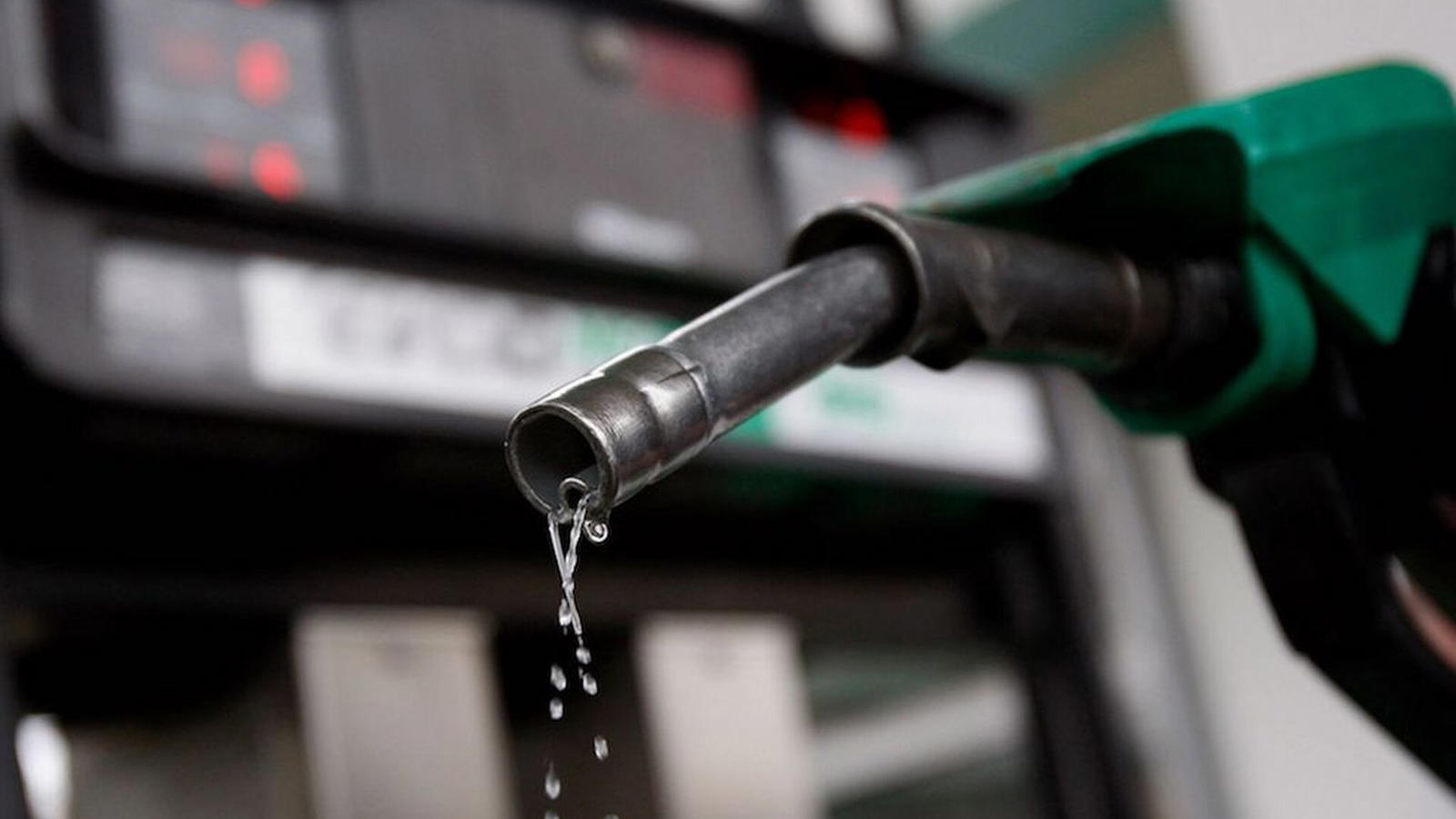
The initiative, announced on Thursday, October 8, 2026, provides for the Nigerian National Petroleum Company Limited (NNPC) to temporarily forgo its retail profit margin and sell petrol at cost, with public transport operators receiving priority. The Presidency insists that the measure is not a return to the petrol subsidy regime abolished in May 2023.
Former Vice-President Atiku Abubakar rejected the initiative, describing it as a politically motivated intervention that would not resolve the underlying economic challenges facing Nigerians.
In a statement issued by the Director of Strategic Communication of the African Democratic Congress Presidential Campaign Council, Phrank Shaibu, Atiku questioned what would happen when the 30-day period expires.
He argued that Nigerians could return to paying high prices for petrol while transport fares and food costs remain elevated.
Atiku also questioned why the discount was restricted to NNPC filling stations and demanded clarification on the amount consumers would save per litre.
He further expressed concern about whether commercial transport operators would pass the savings on to passengers.
The former vice-president renewed his call for capped, budgeted production support tied to domestically refined petrol, arguing that such an approach could provide more sustainable relief if supported by safeguards for consumers.
The Obidient Movement also questioned the timing of the announcement, suggesting that the intervention could be linked to the approaching 2027 general elections.
Its Director of Media and Communications, Onyeka Dike, argued that the government had taken too long to introduce measures to ease the burden of high fuel prices following subsidy removal.
The Nigeria Democratic Congress (NDC) similarly rejected the plan, describing it as inadequate and questioning whether NNPC's retail network could serve enough consumers without creating congestion.
The party argued that a temporary discount would not reverse the broader economic pressures associated with higher fuel and transport costs.
The presidential campaign organisation associated with Oyo State Governor Seyi Makinde also criticised the initiative, describing the reported N60-per-litre reduction as insufficient compared with previous increases in petrol prices.
It questioned whether the limited duration and availability of the discount would deliver meaningful relief to households and businesses.
The Presidency has defended the policy, saying NNPC Retail will temporarily forgo its profit margin to sell petrol at its landing cost rather than restore the former blanket subsidy.
Finance Minister Taiwo Oyedele said the precise discount per litre had not yet been finalised and would depend on NNPC's operating costs and margins.
The government is also negotiating a proposed N1,350-per-litre ceiling on petrol's ex-gantry or landing cost. Under the arrangement described by the Presidency, refiners and importers would absorb shortfalls when costs exceed the ceiling and recover them when market conditions improve.
Other proposed measures include increased cash transfers to vulnerable households, subsidised credit for small businesses and consumers, expanded compressed natural gas deployment and efforts to reduce transport-related levies.
The government has also said it may consider an excess-profit tax for operators found to be exploiting consumers, with proceeds directed towards transport assistance or vouchers for low-income earners.
Energy experts have offered mixed assessments of the intervention.
Jeremiah Olatide, chief executive of PetroleumPrice.ng, welcomed the move but argued that the proposed N1,350-per-litre landing-cost benchmark remained too high for many households. He advocated a lower benchmark of N1,000 per litre.
Professor Wumi Iledare, a petroleum economist, said a targeted and temporary intervention could be justified if it reduced transport costs and helped households cope with higher prices.
However, he warned that the arrangement could effectively become another subsidy if NNPC sold petrol below its economic cost and the government ultimately absorbed the resulting losses.
Iledare called for the government to publish the discount per litre, the volume of petrol covered, the funding arrangements, the maximum fiscal exposure and the mechanisms through which savings would reach passengers.
He also cautioned against giving NNPC a lasting competitive advantage over other fuel marketers.
Meanwhile, the Presidency maintains that the initiative is intended to cushion the effects of global oil-market volatility without reversing deregulation.
The disagreement highlights the challenge facing the Federal Government as it attempts to protect consumers from rising fuel prices while maintaining its post-subsidy economic reforms.
For the opposition, the 30-day arrangement is too limited to address the lasting effects of higher fuel and transport costs. The government, meanwhile, argues that temporary, targeted measures can provide support without recreating the fiscal burden of a blanket subsidy.
The policy's effectiveness will depend on the actual savings delivered to consumers, the availability of discounted petrol at participating stations, the response of transport operators and what happens when the initial 30-day period ends.
Until the discount amount and implementation details are fully disclosed, questions remain over how much ordinary Nigerians will benefit from the intervention.
Your reaction
Story guide
Understand this story
Summary
Opposition leaders and political groups have criticised the Federal Government’s 30-day petrol discount through NNPC stations, questioning its affordability, reach and sustainability as Nigerians grapple with rising fuel prices. The Presidency insists the initiative is a temporary market intervention, not a return to petrol subsidy. The Federal Government’s proposed 30-day petrol discount has triggered criticism from opposition leaders...
Key takeaways
- Opposition leaders and political groups have criticised the Federal Government’s 30-day petrol discount through NNPC stations, questioning its affordability, reach and sustainability as Nigerians grapple with rising fuel prices.
- The Presidency insists the initiative is a temporary market intervention, not a return to petrol subsidy.
- The Federal Government’s proposed 30-day petrol discount has triggered criticism from opposition leaders and political groups, who argue that the intervention offers only temporary relief to Nigerians struggling with high fuel prices, transport fares and rising living costs.The initiative, announced on Thursday, October 8, 2026, provides for the Nigerian National Petroleum Company Limited (NNPC) to temporarily forgo its retail profit margin and sell petrol at cost, with public transport operators receiving priority.
Article FAQ
What is this story about?
Opposition leaders and political groups have criticised the Federal Government’s 30-day petrol discount through NNPC stations, questioning its affordability, reach and sustainability as Nigerians grapple with rising fuel prices. The Presidency insists the initiative is a temporary market intervention, not a return to petrol subsidy. The Federal Government’s proposed 30-day petrol discount has triggered criticism from opposition leaders...
Who published this story?
Glow 99.1 FM published this story with GlowRy Atuah listed as author.
When was it published?
October 9, 2026