The warning was contained in the bank’s latest Africa Economic Update, which raised Nigeria’s 2026 growth forecast to 4.3 per cent from 4.0 per cent in 2025. The bank expects growth to average 4.4 per cent in 2027 and 2028.
According to the World Bank, the improved outlook reflects strengthening macroeconomic stability, greater investor confidence and a gradual recovery in private investment.
Growth is expected to remain driven largely by the services sector, particularly financial services, information and communications technology and real estate. Agricultural activity is also expected to recover in 2026, although industrial growth could moderate because of softer momentum in oil production and manufacturing.
Inflation expected to fall
The World Bank projected that Nigeria’s inflation rate would decline from 23.0 per cent in 2025 to 15.7 per cent in 2026 and fall further to 12.2 per cent by 2028.
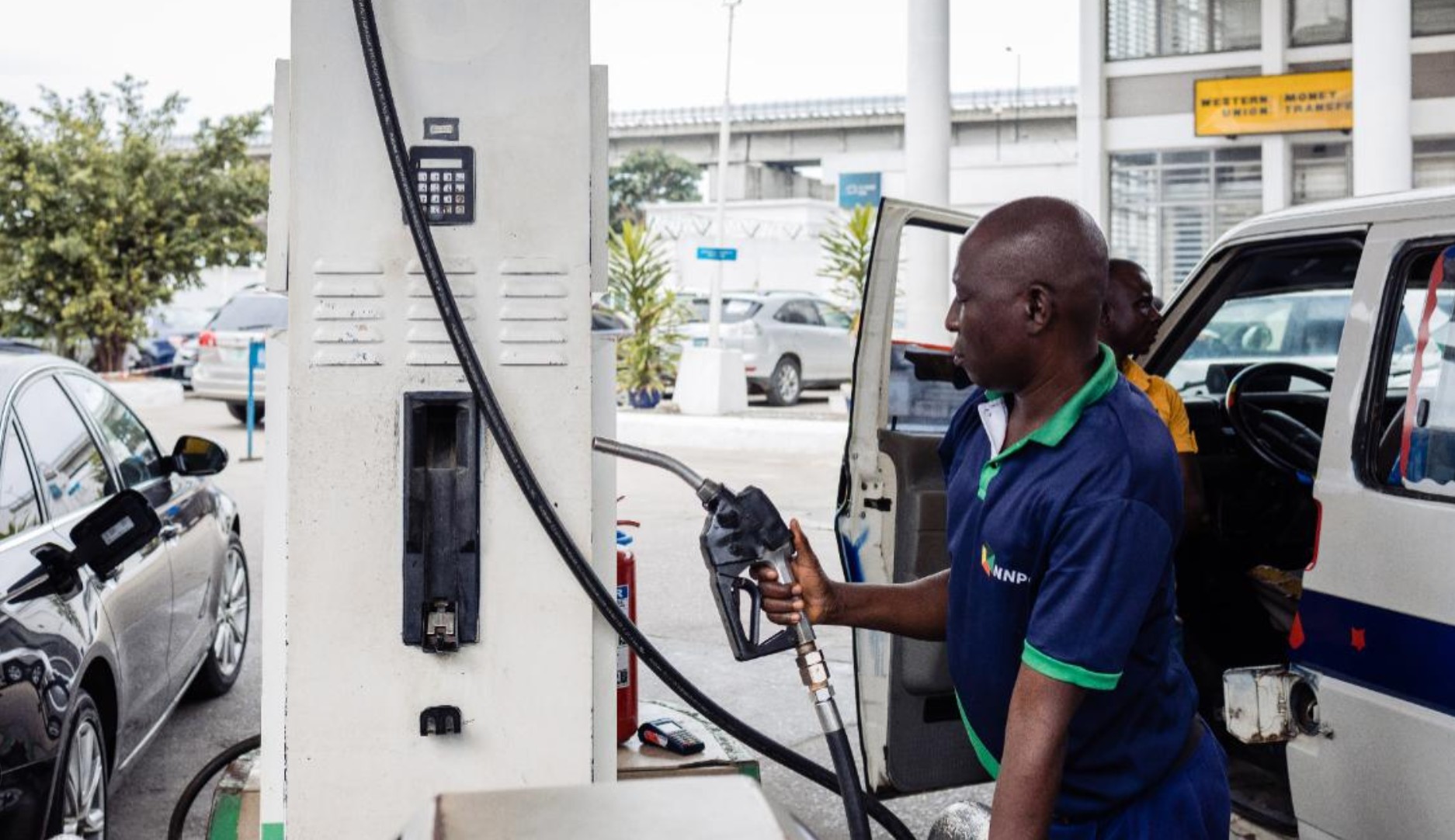
It said lower inflation should improve household purchasing power and contribute to a gradual reduction in poverty. However, it warned that high fuel prices associated with the conflict in the Middle East could limit the pace of poverty reduction because energy costs disproportionately affect low-income households.
The warning comes as higher international oil prices present a mixed picture for Nigeria. While expensive crude could increase the country’s oil earnings and strengthen its external and fiscal position, higher fuel costs can raise transportation and production expenses and put additional pressure on household budgets.
The World Bank projected that Nigeria’s current-account surplus would increase from 4.8 per cent of GDP in 2025 to 6.0 per cent in 2026 before narrowing to 3.4 per cent by 2028 as oil prices normalise and import demand strengthens.
Pre-election spending poses risk
The bank also identified rising government spending ahead of Nigeria’s 2027 general elections as a major domestic risk to the economic outlook.
It warned that increased pre-election spending, alongside tighter global financial conditions, prolonged conflict in the Middle East, insecurity, climate-related shocks and disruptions to oil production, could weaken the momentum behind economic reforms.
The World Bank said these risks could also undermine the social consensus required to sustain Nigeria’s ongoing macroeconomic adjustment.
The warning is significant because Nigeria’s recent reforms have been aimed at restoring macroeconomic stability, but the World Bank has previously stressed that stabilisation alone will not be enough to produce broad improvements in household welfare. Its April 2026 Nigeria Development Update noted that household incomes had not fully recovered and that poverty remained high, requiring stronger social protection and more productive employment.
AI adoption growing
The World Bank report also examined Nigeria’s growing use of artificial intelligence and its potential contribution to productivity and economic growth.
It found that 44 per cent of surveyed firms in Nigeria and Kenya with at least 20 employees reported using AI technologies, compared with 61 per cent of surveyed firms in the United States.
However, the bank said AI adoption in Africa remains relatively shallow. Only 36 per cent of AI-using firms in its developing-country sample were using AI agents or AI for automation, compared with 56 per cent in the United States.
The bank identified unreliable electricity, limited internet access, high data and device costs and inadequate computing infrastructure as major barriers to wider AI adoption.
It has urged African governments to invest in reliable electricity, affordable connectivity, digital skills, quality data and computing infrastructure so that AI can contribute more meaningfully to productivity, job creation and poverty reduction.
Overall, the World Bank's outlook presents a mixed picture for Nigeria: economic growth and inflation are moving in a more favourable direction, but high energy costs, persistent insecurity, infrastructure constraints and the possibility of increased pre-election spending could determine how much of the macroeconomic improvement reaches ordinary households.
Your reaction
Story guide
Understand this story
Summary
The World Bank says elevated fuel prices could slow Nigeria’s poverty reduction despite stronger economic growth and falling inflation, while warning that rising pre-election spending could weaken reform momentum. The World Bank has warned that elevated fuel prices could slow Nigeria’s efforts to reduce poverty, despite an expected improvement in economic growth and a significant decline in inflation...
Key takeaways
- The World Bank says elevated fuel prices could slow Nigeria’s poverty reduction despite stronger economic growth and falling inflation, while warning that rising pre-election spending could weaken reform momentum.
- The World Bank has warned that elevated fuel prices could slow Nigeria’s efforts to reduce poverty, despite an expected improvement in economic growth and a significant decline in inflation in 2026.The warning was contained in the bank’s latest Africa Economic Update, which raised Nigeria’s 2026 growth forecast to 4.3 per cent from 4.0 per cent in 2025.
- The bank expects growth to average 4.4 per cent in 2027 and 2028.According to the World Bank, the improved outlook reflects strengthening macroeconomic stability, greater investor confidence and a gradual recovery in private investment.Growth is expected to remain driven largely by the services sector, particularly financial services, information and communications technology and real estate.
Article FAQ
What is this story about?
The World Bank says elevated fuel prices could slow Nigeria’s poverty reduction despite stronger economic growth and falling inflation, while warning that rising pre-election spending could weaken reform momentum. The World Bank has warned that elevated fuel prices could slow Nigeria’s efforts to reduce poverty, despite an expected improvement in economic growth and a significant decline in inflation...
Who published this story?
Glow 99.1 FM published this story with GlowRy Atuah listed as author.
When was it published?
October 7, 2026